The Evolution of OOH Advertising
TL;DR:
- OOH advertising has evolved from static billboards to dynamic, real-time media.
- New formats like gas station ads, transit wraps, and place-based screens offer more targeted reach.
- Digital Out of Home (DOOH) uses tech and data to deliver timely, context-driven messaging.
- The types of OOH advertising today allow brands to connect with audiences in motion and at key moments.
- The OOH advertising industry continues to grow, proving its value in a digital-first world.
Out-of-home (OOH) advertising has always lived in the real world. It wraps around city buses, lights up digital kiosks, and greets drivers on early-morning commutes. For decades, it’s shaped how brands speak to people outside their homes. But what once relied on static billboards and simple impressions has grown into something far more dynamic.
Today’s OOH advertising is driven by data, enhanced by digital screens, and increasingly woven into the rhythm of everyday life. It’s not just a backdrop anymore. It’s interactive, measurable, and deeply strategic.
This evolution isn’t just about keeping up with technology. It’s about reimagining how physical spaces connect with modern audiences.
In this post, we’ll explore how OOH has transformed over time, the formats that define it today, and where it’s heading next.
Expansion and Diversification: The Rise of New OOH Formats
As cities expanded and lifestyles changed, so did out of home advertising. Billboards were no longer the only way to reach people. Advertisers started placing messages in everyday spaces like on buses, in taxis, at gas stations, and inside shopping centers.
This shift opened the door to a wide variety of OOH advertising formats. Transit ads wrapped around public vehicles, while kiosks, benches, and shelters became valuable space in busy city zones.
Brands also began showing up in places like bars, convenience stores, and movie theaters, meeting people during everyday routines.
The goal wasn’t just to get noticed. It was to connect in the right place and moment.
A digital ad on a gas pump screen, for example, can speak to someone when they’re already thinking about what’s next on their list. That kind of relevance makes a lasting impression.
The Digital Shift: DOOH and Technological Innovation
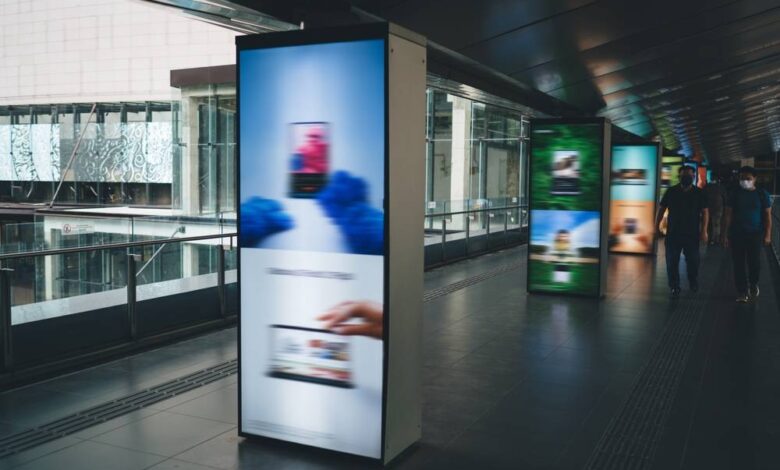
The introduction of digital screens transformed OOH advertising from one-way messaging into something much more dynamic. Instead of running the same image for weeks, brands can now rotate multiple ads, change messaging on the fly, and even react to real-world triggers like traffic or time of day.
A quick-service restaurant ad might show up near a busy intersection during lunch hours.
A local event promotion might run on a Friday afternoon when weekend plans are top of mind.
These updates can be scheduled ahead or adjusted in real time, adding flexibility that printed media simply can’t match.
Better Tools for Smarter Campaigns
The OOH advertising industry is also leaning into smarter measurement. With the help of data and analytics, brands can now track performance, refine targeting, and better understand impact. Some DOOH platforms even work with mobile location data to help show how foot traffic changes after a campaign goes live.

The Many Faces of OOH: A Breakdown of Today’s Formats
The world of OOH advertising has grown far beyond highway billboards. Today, it’s about being present where people pause, move, refuel, and unwind. Modern types of OOH advertising are designed to feel less like traditional ads and more like part of the surroundings.
On-the-Go Visibility
Transit ads and mobile formats put messages in front of people on the move. For example, truckside advertising turns into moving billboards, helping brands cover a wide geographic area. This kind of OOH in advertising brings exposure to both pedestrians and drivers throughout the day.
Ads Where People Refuel
Gas stations and convenience stores offer a unique opportunity to engage with people during quick stops. Screen-based media, pump toppers, and entryway placements can all serve up timely promotions or reminders just before a purchase. This setting is a core part of AllOver Media’s offerings, helping brands tap into short attention windows with real impact.
Wild Postings and Guerrilla Formats
For brands looking to shake things up, wild postings and unconventional formats offer a more grassroots feel. These can include posters on construction walls, custom murals, and other creative street-level tactics. They’re often used for product launches, entertainment, or campaigns aimed at younger, urban audiences.
Unexpected Spaces
OOH is also finding a place in more unexpected environments. Ads in gyms, bars, and entertainment venues bring messaging into moments of focus, relaxation, or social interaction. These formats reach audiences when they’re not multitasking, which gives the message more room to land.
Looking Ahead: The Future of OOH Advertising
OOH advertising continues to evolve, blending tradition with technology to create more targeted, engaging, and relevant experiences in the physical world. The numbers speak for themselves. In Q1 2025, OOH advertising revenue reached an all-time high of $1.98 billion, reflecting just how vital this channel remains for brands today
From digital screens at gas stations to creative placements in everyday spaces, the future of out of home advertising is all about meeting people where they are.
See how AllOver Media can help with our DOOH advertising services and discover smarter ways to connect with your audience beyond the billboard.